






RAC survey reveals habits are changing as careful owners try to save money
Cash-strapped motorists are cutting back on their driving costs by using their car less, downsizing their car and running just one vehicle per family, the RAC said today.
The average cost of motoring for Britain’s 30 million drivers fell 5% or £123 in 2009 to £2,219 a year, according to the RAC’s annual cost of motoring index. It now costs 18.49p a mile to run a new car compared with 19.5p in 2008, a saving of about £2.36 per week.
The RAC attributed the fall in cost to fluctuations in the price of fuel: it calculated that petrol and diesel costs had fallen overall by 10% to £1,184 a year. Diesel in particular had become much cheaper, with prices falling 14%.
But although fuel costs have dropped, research by the RAC shows eight out of 10 car owners believed the cost of running their car had risen and 45% of those questioned had responded to the perceived increase in cost by changing their motoring habits. Of those, a fifth had started running just one car, saving an average of £229 a month. A further 28% said they were using their car less and 6% had switched to a smaller car.
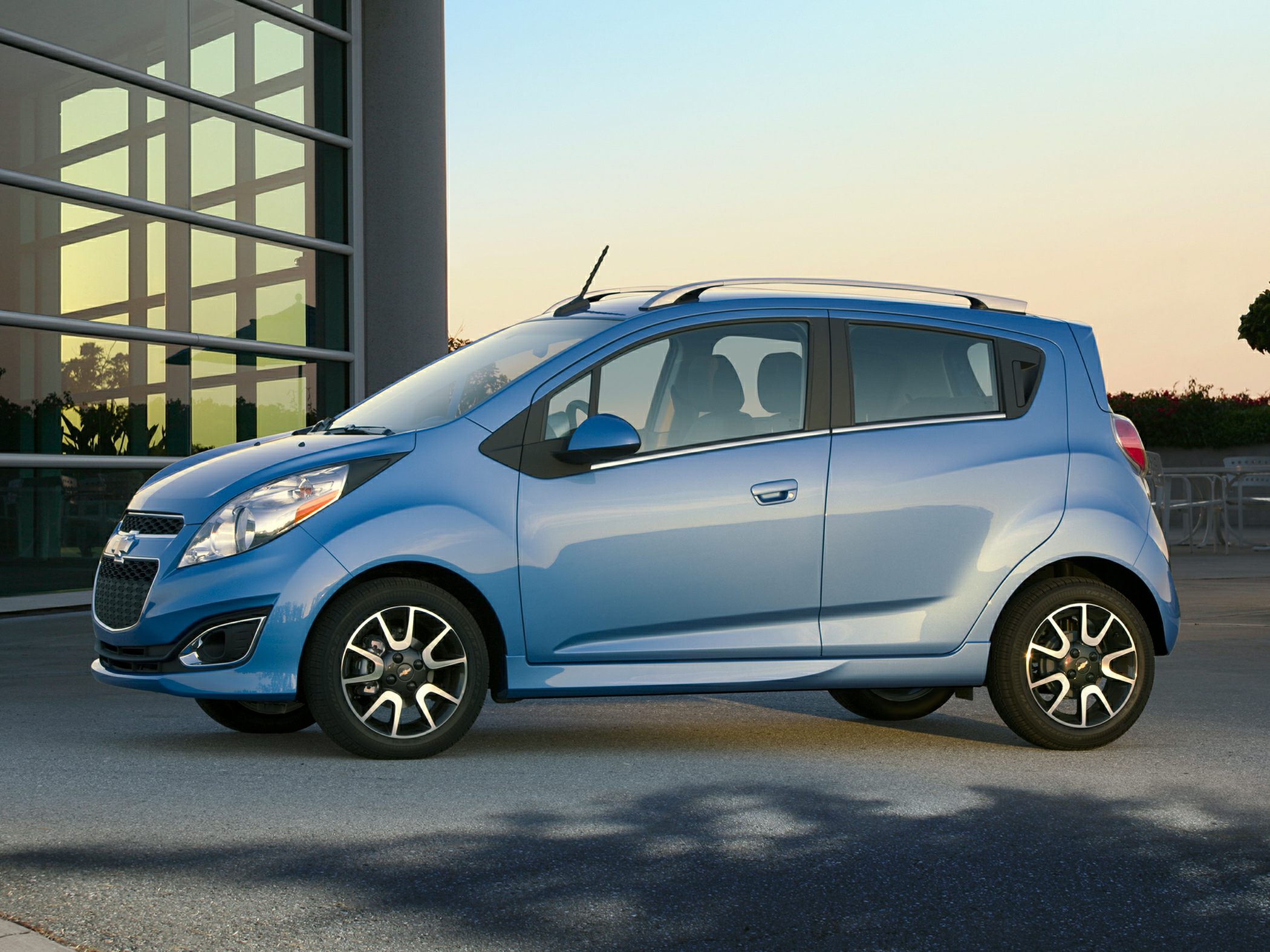
Women were twice as likely as men to have downsized their vehicle in the last 12 months. According to the index, a motorist can save £769 a year by downsizing from a large saloon such as a Peugeot 407 to a small car such as a Vauxhall Corsa.
The RAC’s motoring strategist, Adrian Tink, said: “We’re seeing motorists really question how they use their cars. The trend towards the one car family shows how people are prepared to make fundamental lifestyle changes for the benefit of themselves, their families and their pockets.
“But such change for a lot of drivers is still merely an aspiration, with practical difficulties caused by work and family needs or a lack of alternatives, such as inadequate public transport, stopping them in their tyre tracks.”
Saving money was cited as the main reason for changing driving habits, with only 28% of motorists saying they were changing car or reducing car usage for environmental reasons. Only 6% who had downsized their car mentioned the scrappage scheme as the reason for their change.
The bad news for all motorists is that running costs are likely to rise substantially at the end of the year. Not only will VAT rise from 15% to 17.5% on car purchases, but Tink said the price of fuel was also likely to increase again. He said: “When we did the index last year, petrol was about 115p a litre. It was floating between 105p and 110p in mid-October when we repeated the index, but we expect it to rise towards last year’s levels by Christmas.”
At the same time as cutting VAT by 2.5% on purchases in last year’s pre-budget report, the government hiked fuel duty by 2p a litre – a rise that came into effect in December. This was followed by rises of 1.84p in April and 2.3p in September this year. Another is planned for next April.
Tink said: “We are very concerned lest the government forgets to remove these increases when it raises VAT on purchases again on 1 January. ”
A quarter of the motorists surveyed said they couldn’t afford to downsize or reduce the number of vehicles they owned, with a further 8% unable to sell their current vehicle to fund a change. The RAC said this group of motorists were effectively trapped, unable either to raise the money, secure a loan or sell their car outright to buy a smaller vehicle.
Their inability to change cars was likely to cost them more in the future: according to the index, which is based on a pool of 17 new cars weighted by their level of ownership, maintenance costs are £421 (115%) higher on average for used cars. Most used vehicles, between three to six years old, also require significant investment in new tyres, which can account for up to 40% of annual maintenance costs.


