


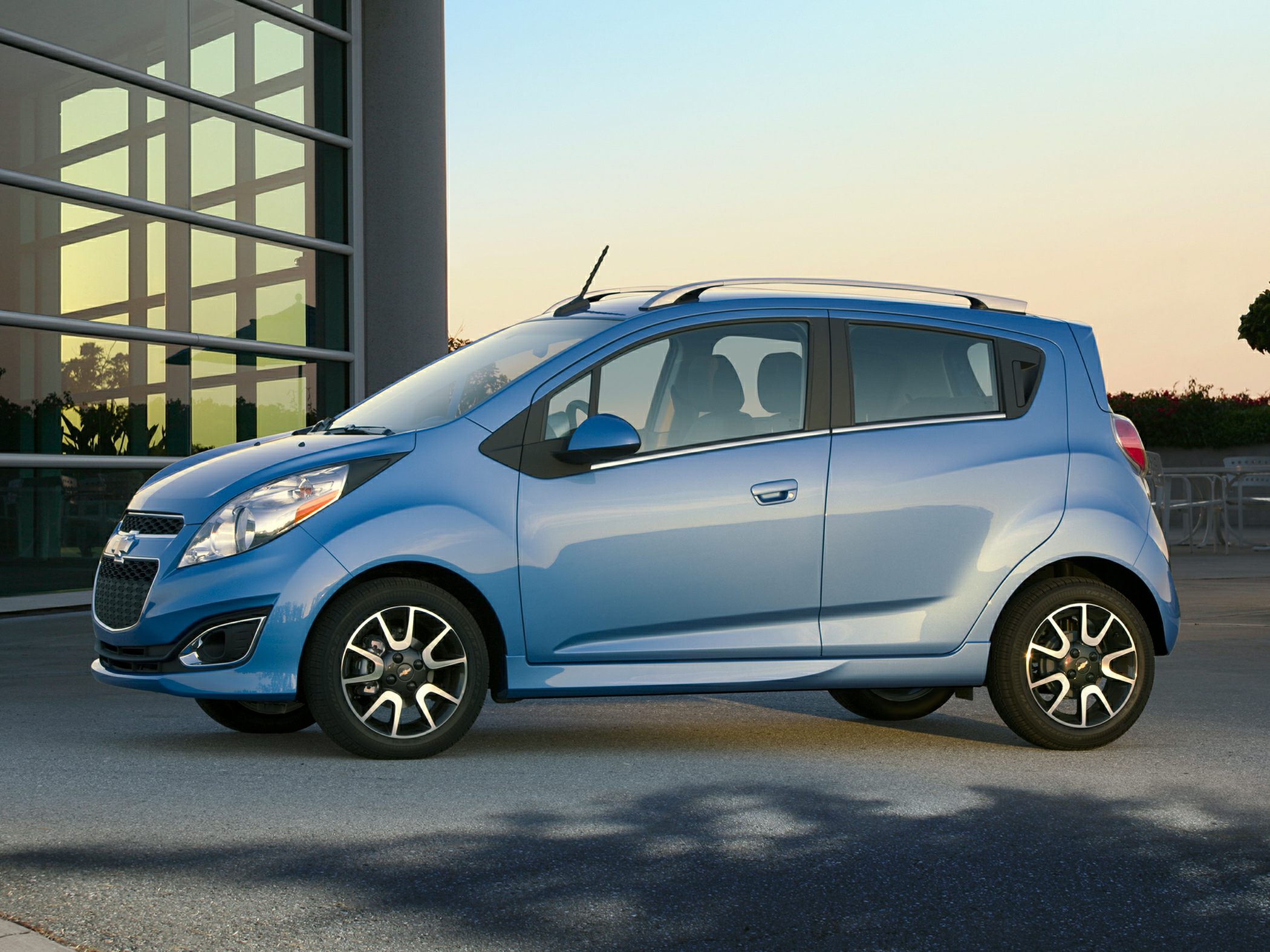


Company cars, small fleets and business use vehicles are some of the areas which many UK car leasing customers need to think about very seriously. Choosing the right company car for both driving conditions and job purpose can be a rather frustrating task. With changes to the company car or cash system coming into effect this 2018, times look to be more and more challenging for those shopping around for a new company car this year.
Below are some considerations which business and company car lease customers should consider when looking to lease a new car in 2018 and 2019.
Car Leasing and Mileage Limitations
One of the main limitations to any lease deal for company or business use is the amount of miles which the car is allowed to travel within a year or agreed time period. 5K, 8K and 10K miles a year is common with anything up to 40k miles a year being classed as High Mileage. High mileage lease cars are often available upon special request from leasing brokers and as such understanding and working out annual mileage (which is related to business travel) is a key decision in the leasing process. Did you know? Some leasing deals can encompass an unlimited mileage style deal but, these are very specific to the vehicle and type of car lease agreement.
Business vs. Personal Use
Once mileage limitations have been agreed it is time to think about personal miles vs. business miles which the car may cover during the term as this can have an impact of the tax and reclaimable amount on lease payments from HRMC. Many businesses will not permit lease cars to be used for personal miles as this complicates the leasing agreement hence those who wish to use a company lease car for personal use often opt for company car or cash incentives instead.
Type of Fuel: Diesel, Petrol, Hybrid or Electric (EV)?
If you are planning to cover high miles per year in a lease car then the fuel type consideration is another stumbling block. Stop-start and short distance journeys often lend themselves to petrol based vehicles. Long motorway miles and long-distance cruisers may find that diesel is the best option for them due to the miles per gallon and price of fuel but, new eco-friendly, low emission, hybrid and electric cars are starting to become more and more appealing to company car drivers as the battery range continues to improve, there is also substantial gains to be considered on the balance sheet from leasing an electric car in 2019.
Length of Term/ Contract Responsibilities
Next up in the list of considerations for company car drivers is the length of lease agreement, 18, 24, 36 and 48 month lease terms are commonplace across the leasing industry and as such drivers and new leasing customers should be aware that the price of a lease car can change based on the length of contract e.g. 18 month lease deals are often more expensive when compared to similar 48 month lease deals.
Funder maintained vs. driver maintained lease cars
When considering a lease car deal; be sure to work out the “Whole of Life Costs” associated with a lease agreement. Servicing, tyres, breakdowns and insurance come at an additional cost to what you see on screen. Funder Maintained lease cars offer customers a hassle free solution for an additional monthly premium where all servicing and tyres and often breakdown assistance is included in the price paid per month. Driver Maintained lease agreements pass the responsibility of vehicle upkeep to the driver of the car and as such serving costs and replacement tyres will need to be factored into the overall cost of the vehicle during its lease term.


