


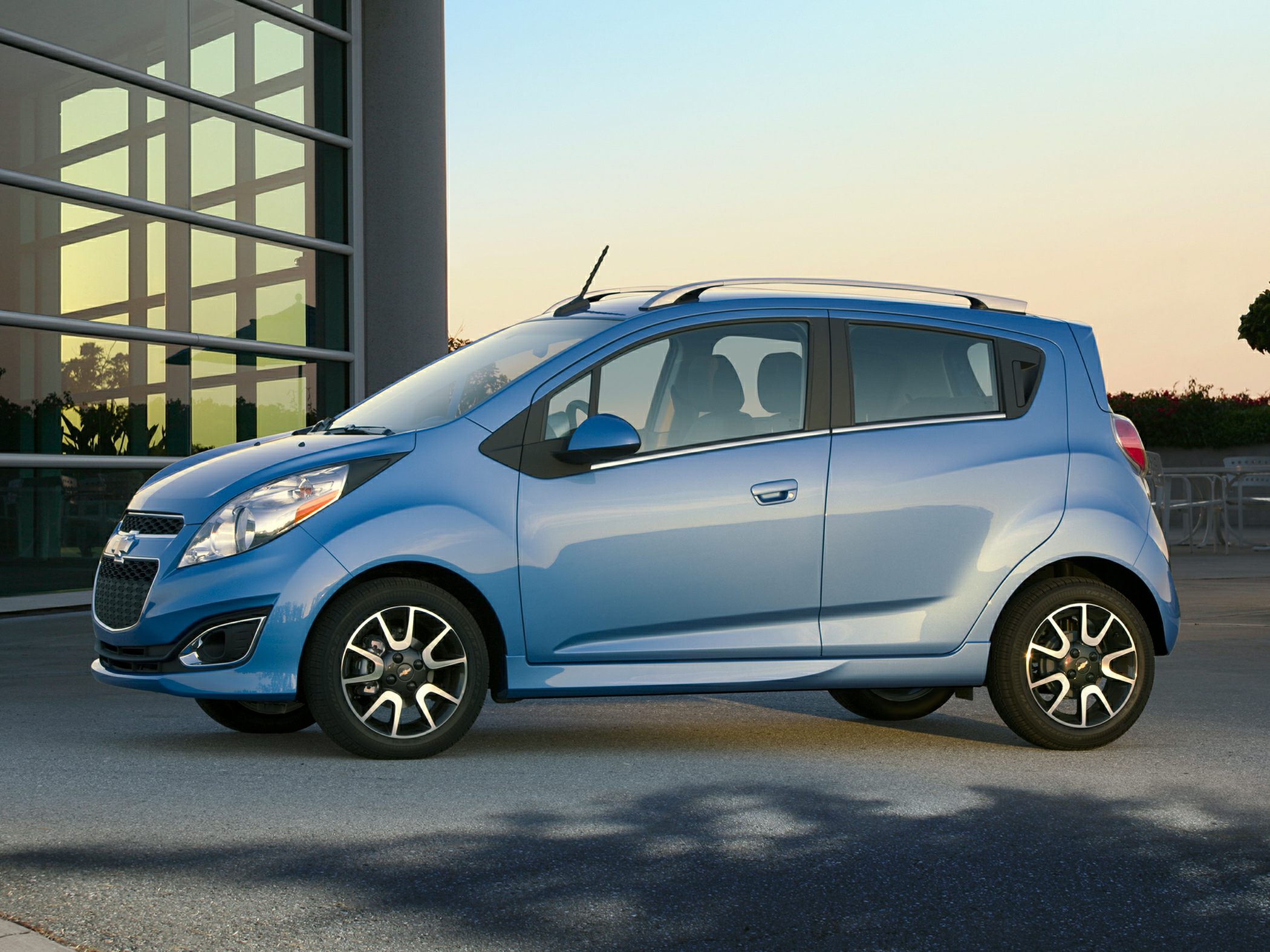


Personal travel accounts for up to a quarter of all the damage individuals do to the environment across Europe, including climate change effects. You can reduce the climate change impact of your travel in a number of ways.
1. Consider travelling less
Can you get what you want nearer to home, or without travelling at all? For example using local leisure facilities and shops, or sometimes working from home. Reducing your travel will reduce climate change effects and local air pollution.
2. Try different ways to get around
Leaving your car at home and walking, cycling, or taking the bus or train will help reduce the negative impacts of driving. It is also possible to travel longer distances by other modes of transport, not just air.
Plan your journey (travel and transport section) – This link will take you to a survey invite before this page Cycling and walking (travel and transport section) – This link will take you to a survey invite before this page Information and advice on travelling by rail and sea world-wide Opens new window 3. Drive to reduce your fuel consumption
Making some simple changes to the way you drive can reduce fuel consumption and reduce climate change effects. For example, driving smoothly, sticking to the speed limits, and keeping tyres properly inflated. You could save one month’s worth of fuel over a year through smarter driving.
Buying and driving greener cars – This link will take you to a survey invite before this page 4. Buy a more efficient car
You could save the equivalent of three months’ worth of fuel over a year
Top 10 fuel efficient cars – This link will take you to a survey invite before this page You don’t have to compromise to buy a greener car – just choose a more fuel efficient one. New cars carry a fuel economy label telling you how efficient they are. Choosing a more efficient car can help reduce carbon emissions and local air pollution, and will often save you money on vehicle tax and other charges. A fuel efficient new car could also save you the equivalent of three months’ worth of fuel over a year.
Buying and driving greener cars – This link will take you to a survey invite before this page 5. Maintain your vehicle responsibly
Well maintained vehicles tend to run more efficiently. Waste from car maintenance is often hazardous, like engine oil, other fluids, batteries and tyres. Careless discarding of these items can cause pollution but council waste facilities will be able to accept them for safe disposal.
Disposal of hazardous waste (home and community section) – This link will take you to a survey invite before this page Vehicle maintenance information (motoring section) – This link will take you to a survey invite before this page 6. Think about car sharing or car clubs
On an average day on the British roads, each vehicle carries 1.6 people, with approximately 38 million empty seats
Car sharing is when two or more people travel by car together for all or part of a trip. Car sharing can cut down on your travel costs, reduce your carbon emissions and may give you increased personal security when walking to and from the car.
You could also join a car club, which provides its members with access to a vehicle on an hourly, daily or weekly basis. Vehicles are usually parked close to homes or workplaces. For some people, joining a car club and having access to a car means they don’t need to own one.
Car sharing and car clubs – This link will take you to a survey invite before this page


